
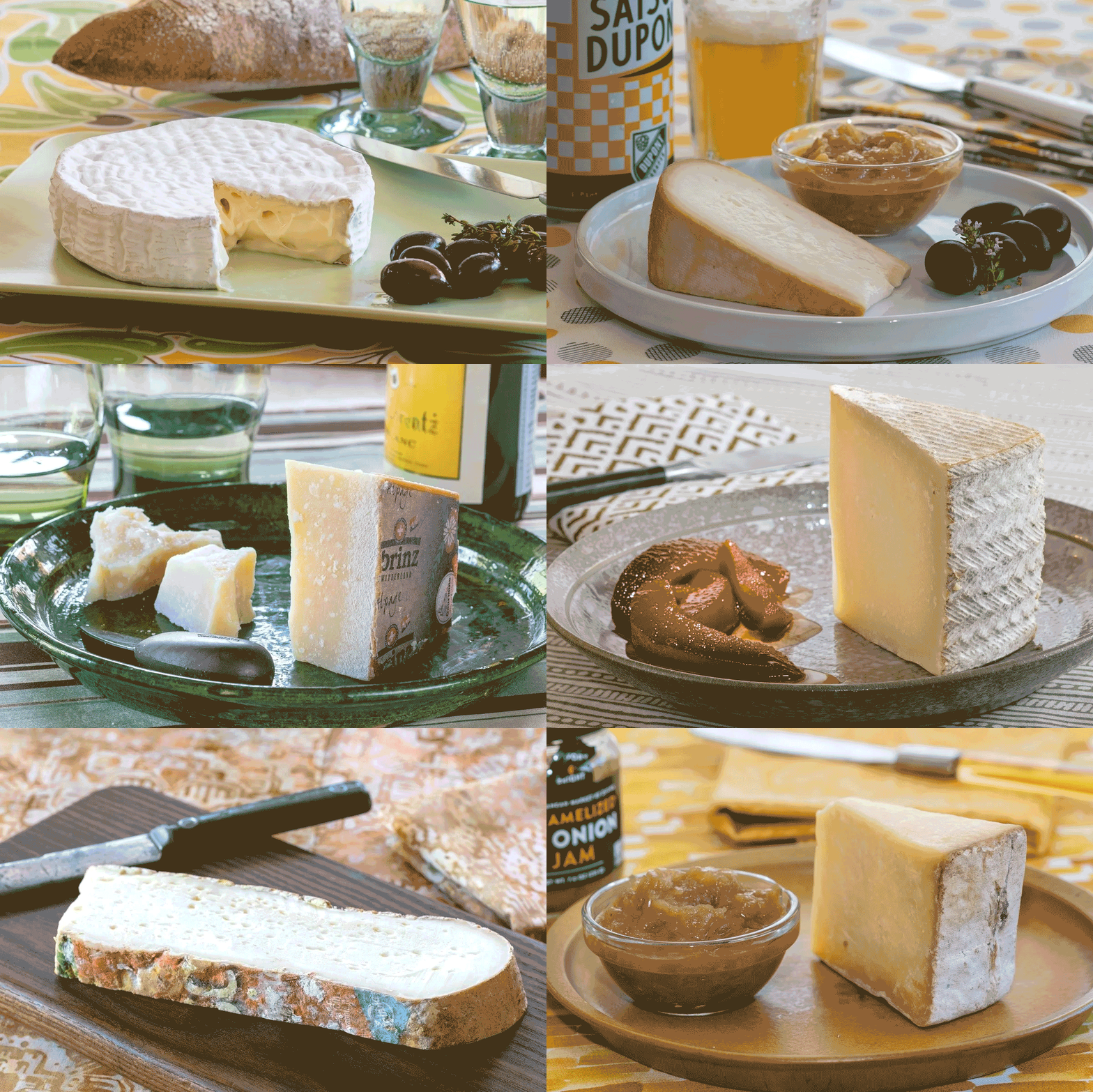
Thinking back on the year in cheese puts me in an uneasy mood, to be honest. Independent cheese shops are struggling or shuttering. Importers are grappling with tariffs and paralyzing uncertainty. Retail cheese prices are giving me heartburn, and I worry that consumers will start trading down or just doing without. On the other hand…great cheese continues to deliver so much pleasure and value, a ready-to-eat shareable artisan food that elevates everyday meals. Here are a few—not all new, but new to me—that made the biggest impression this year. Check the original post for retail sources for each cheese.
In alpha order:
Butterbloom from Oregon’s Briar Rose Creamery is a supple, oozy “butter bomb,” in the cheesemaker’s words. It smells like mushrooms and spreads like buttercream frosting. Look for a wheel with a lot of give so you know it’s ripe.
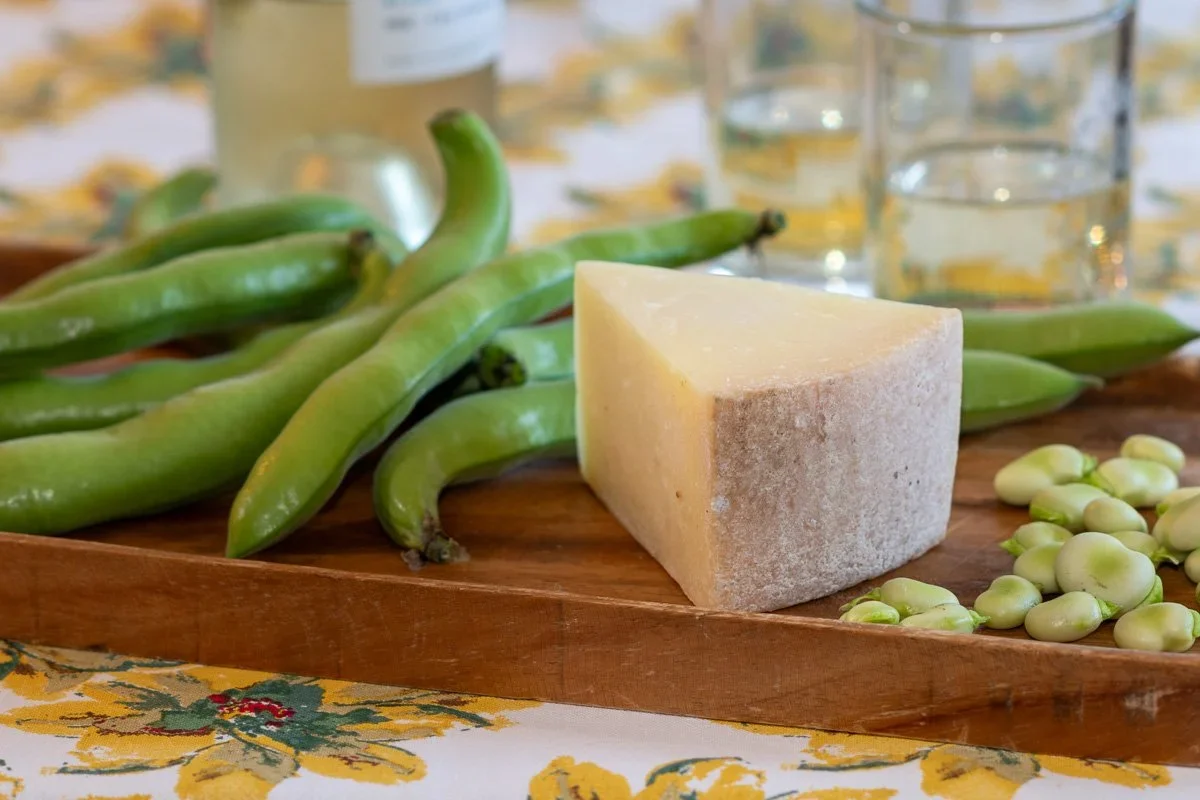
Cacio di Caterina is the Tuscan pecorino of my dreams: deeply savory, herbaceous and saline, yet sweet and buttery. “It’s like biting into a cloud,” says importer Anna Gallo. “It’s so light and fluffy.” That description doesn’t sound like it would apply to an eight-month-old sheep cheese, but I know what she means.
Ciel de Chèvre is a raw-milk washed-rind goat cheese from Belgium. Even if you delete “from Belgium,” that’s a minuscule niche. The aroma is beefy and yeasty and the texture, when ripe, is like pudding, especially near the center. I don’t know how the creamery achieves such a supple, silky, fragile mouthfeel. The flavor is meaty, yet surprisingly delicate. An outstanding partner for Belgian-style beers.
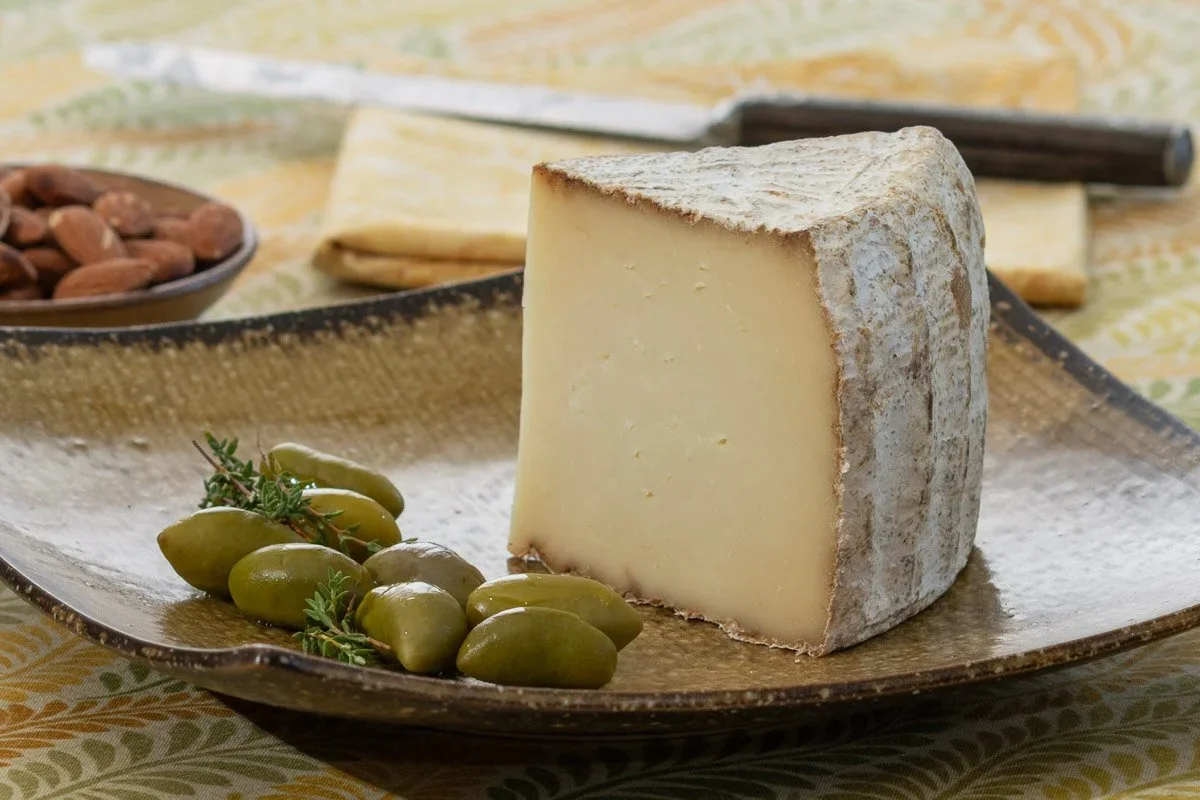
Corsu Vecchiu, a 5-month-old sheep wheel from Corisca, is surprisingly moist for its age. The fragrance is subtle, a mingling of dried herbs, nuts and artichoke; the flavor is sweet and a little bit lemony, with perfect salting. The overall impression is balanced and understated. Perhaps because it doesn’t come on strong, I feel like I could eat half a wheel.
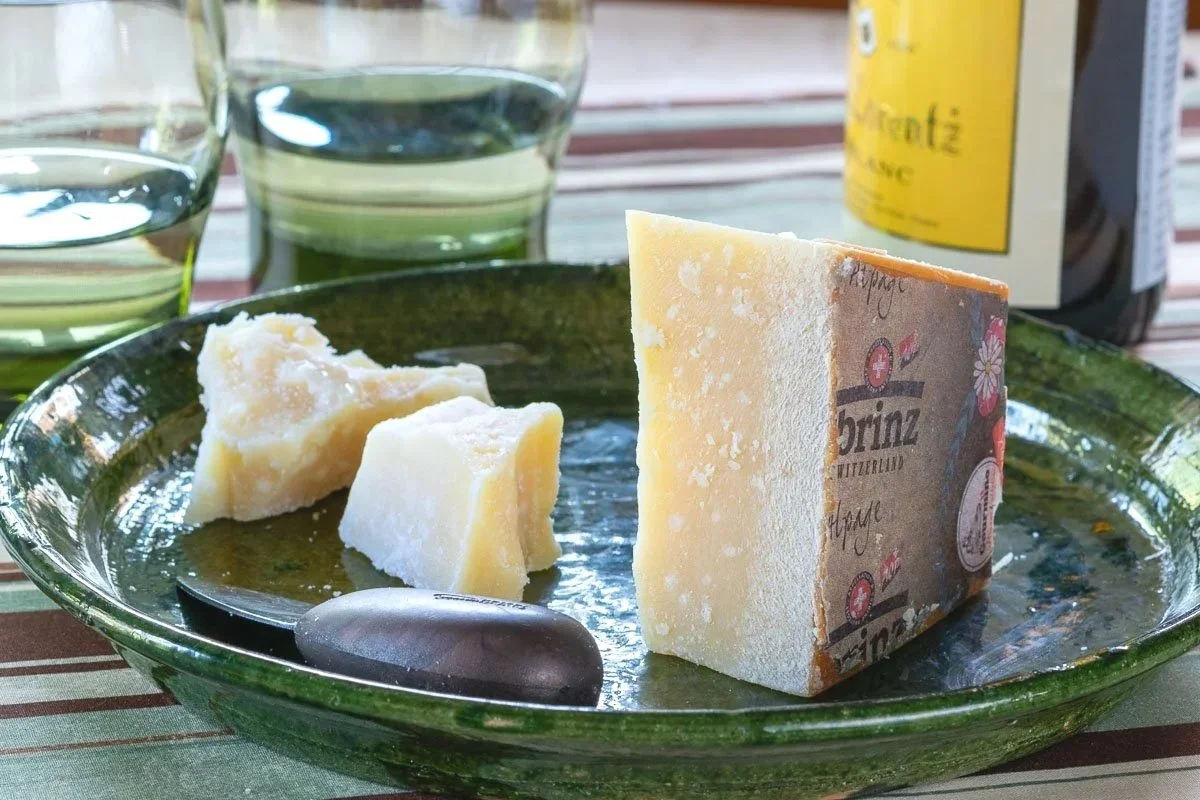
Gourmino’s Sbrinz, made by a single Swiss alpine cheesemaker and aged 36 months, deserves much more attention than it gets. Producer Andreas Gut has, multiple times, been named the best alpine Sbrinz cheesemaker by the organization that protects and promotes this raw cow’s milk cheese. His wheels spend at least a year in the caves managed by Gourmino’s affineurs and emerge hard and craggy yet still remarkably creamy—more buttery than Parmigiano Reggiano. The aroma is nutty and fruity, with a hint of pineapple, and the flavor is sweeter and less spicy than Parm at that age.
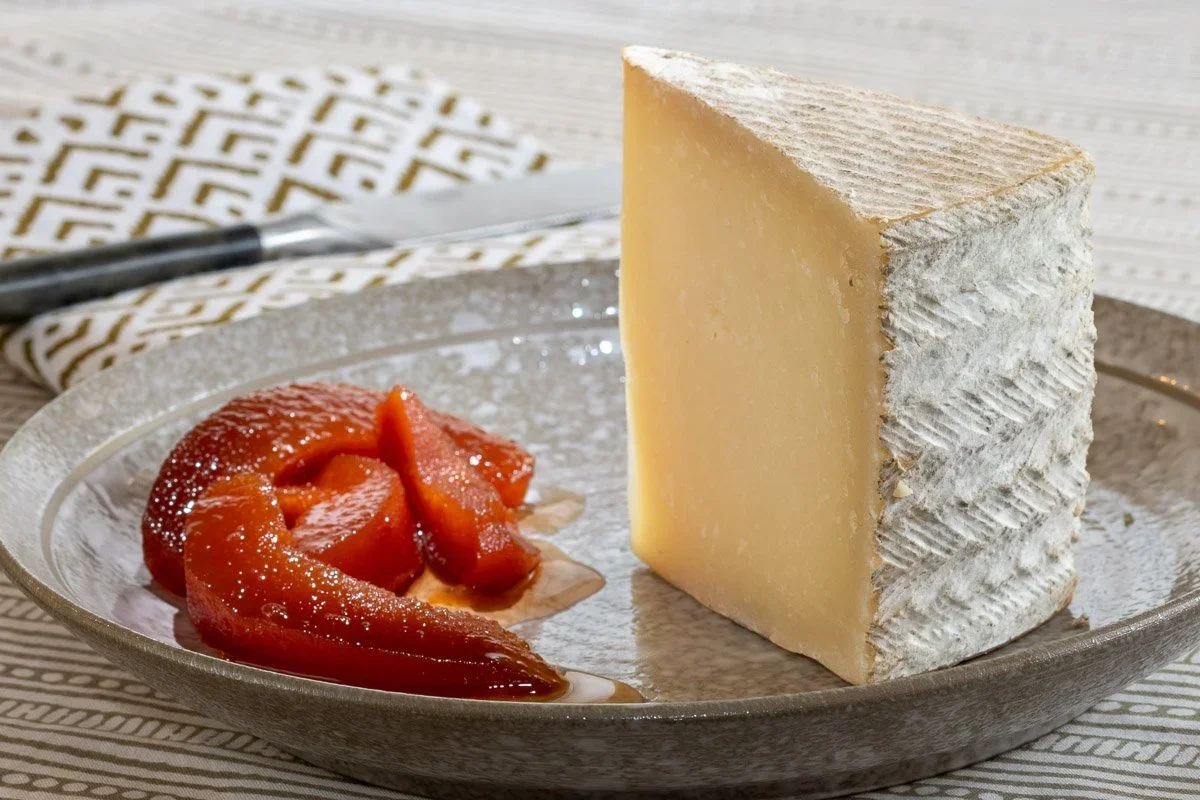
Manchego 1605 is my new gold standard for this Spanish sheep cheese. More than 60 producers make Manchego, mostly in factories from pooled and pasteurized milk, but the creamery that makes Manchego 1605 is one of fewer than five that produce it on the farm from raw milk. Hence the artesano designation, reserved for raw-milk Manchego. The rind is natural—not waxed as most Manchego is—and the flavor is buttery, with hints of artichoke, almond and pineapple and no peppery bite. A Manchego to savor slowly with a good red wine.
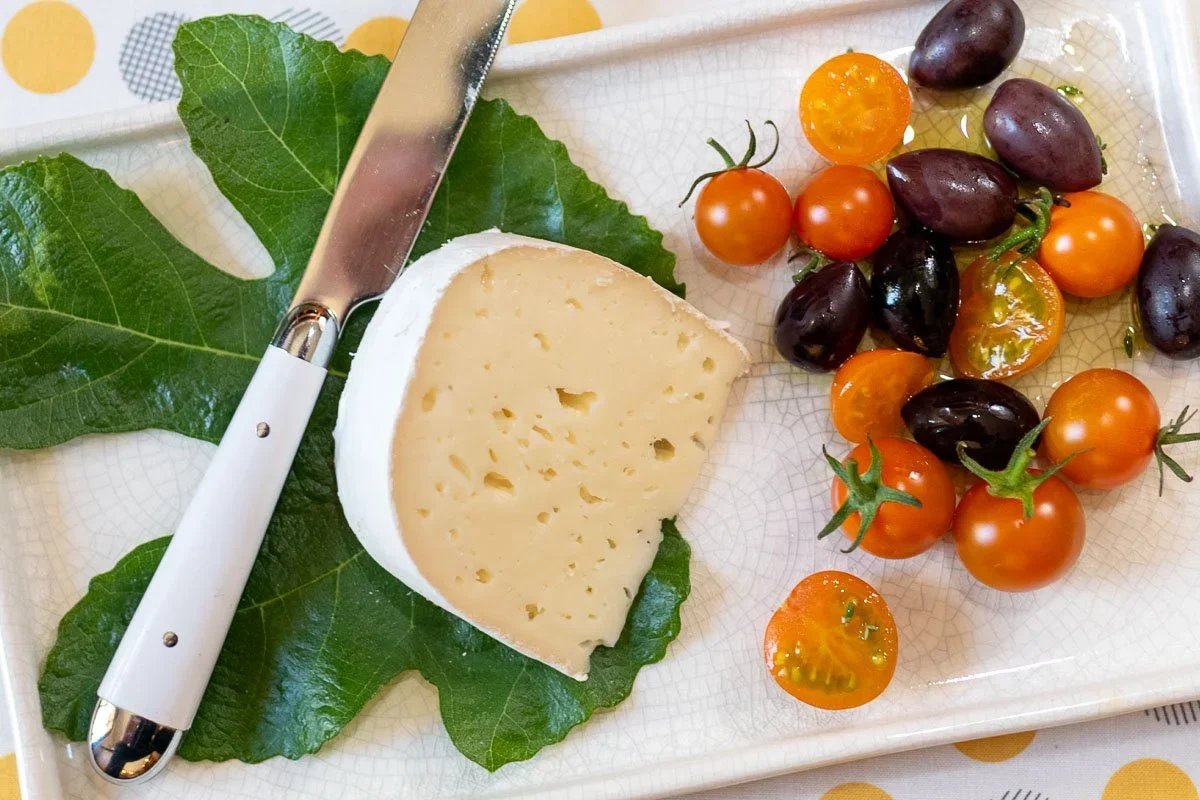
Morbidoso di Toscana combines cow’s and sheep’s milk to yield one of the most enticing cheeses I’ve tasted all year. One L.A. retailer called it “a beautiful white cloud of a cheese.” It melts readily, so consider tossing it with rigatoni and ragù, the creamery’s recommendation. Or drape it over soft polenta. Released after just a couple of weeks, it has a semisoft, supple texture and a gentle mushroom aroma. The flavor is slightly lactic, like sour cream. For such a delicate thing, it’s surprisingly craveable.
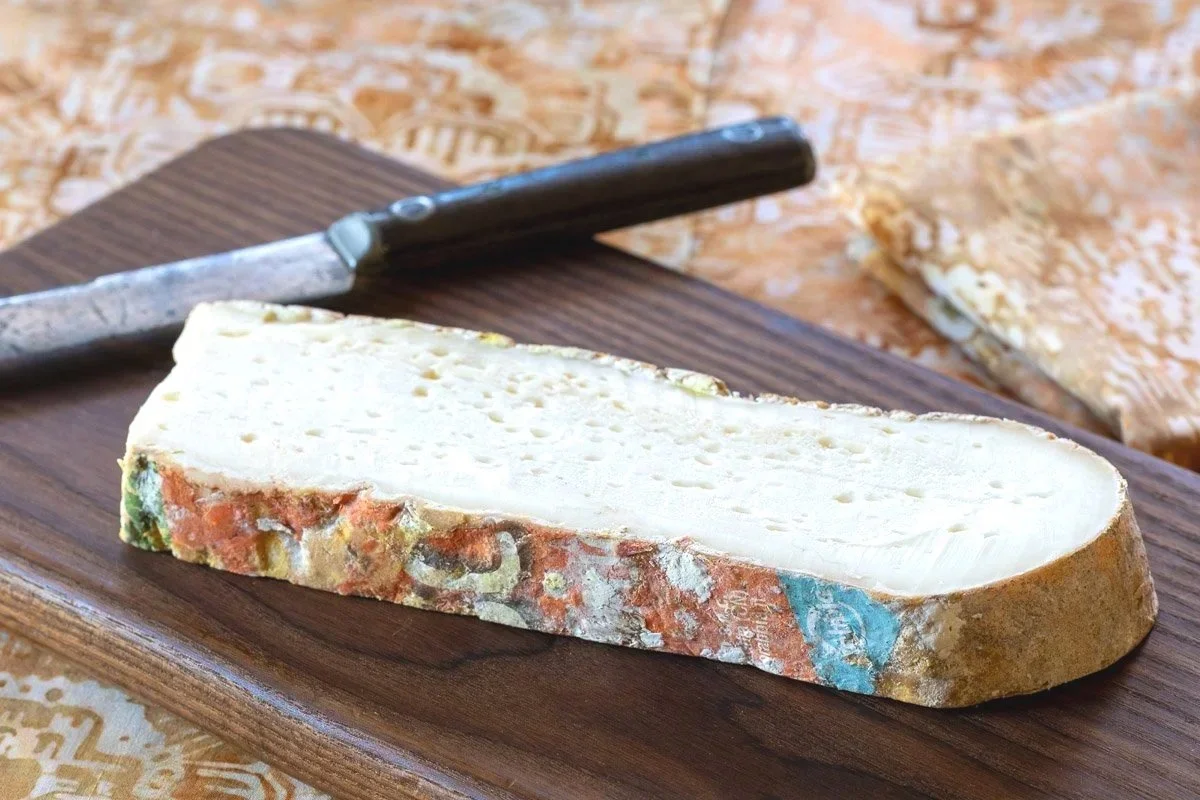
Primo Pascolo got double billing in Planet Cheese last week because two mongers named it as one of their favorites of the year. It’s one of mine, too. Made with raw cow’s milk in Italy’s Piedmont region, it has an unusual and captivating texture—one retailer described it as “divinely doughy”—a compelling mushroomy scent and a tangy finish. It is a “wow” cheese. Eat it slowly.
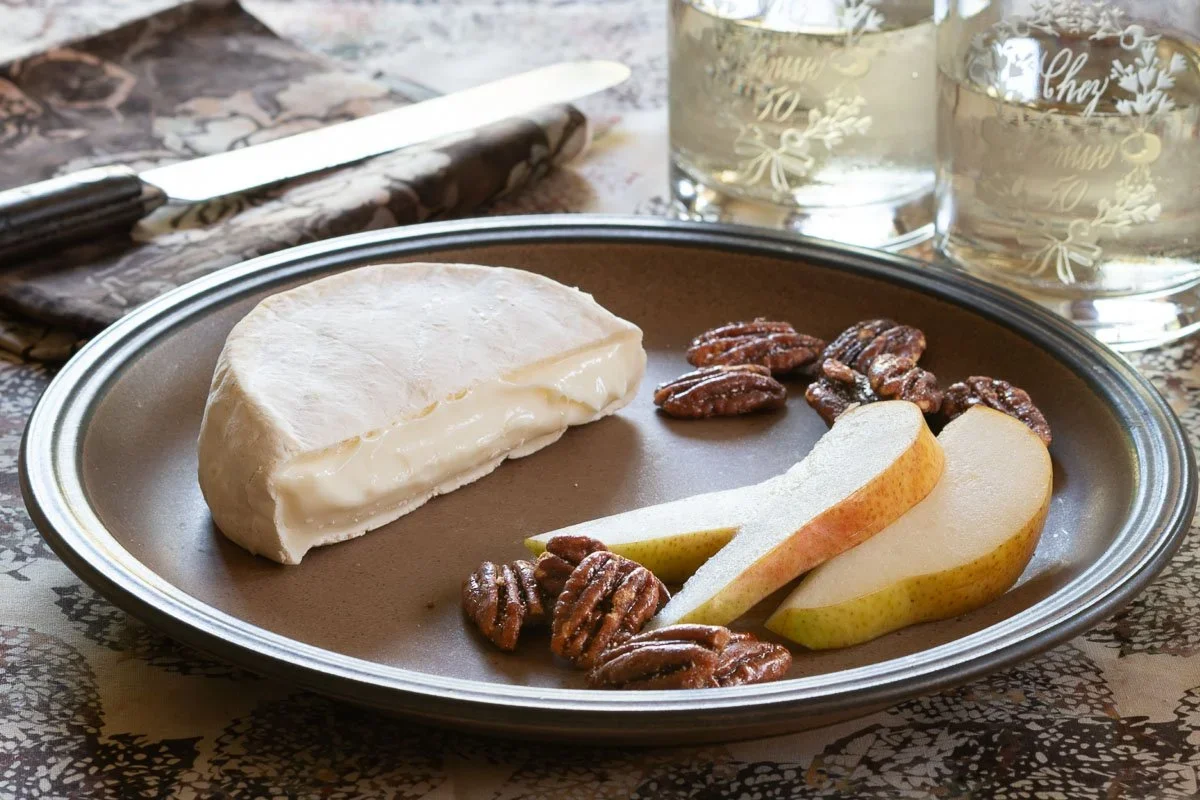
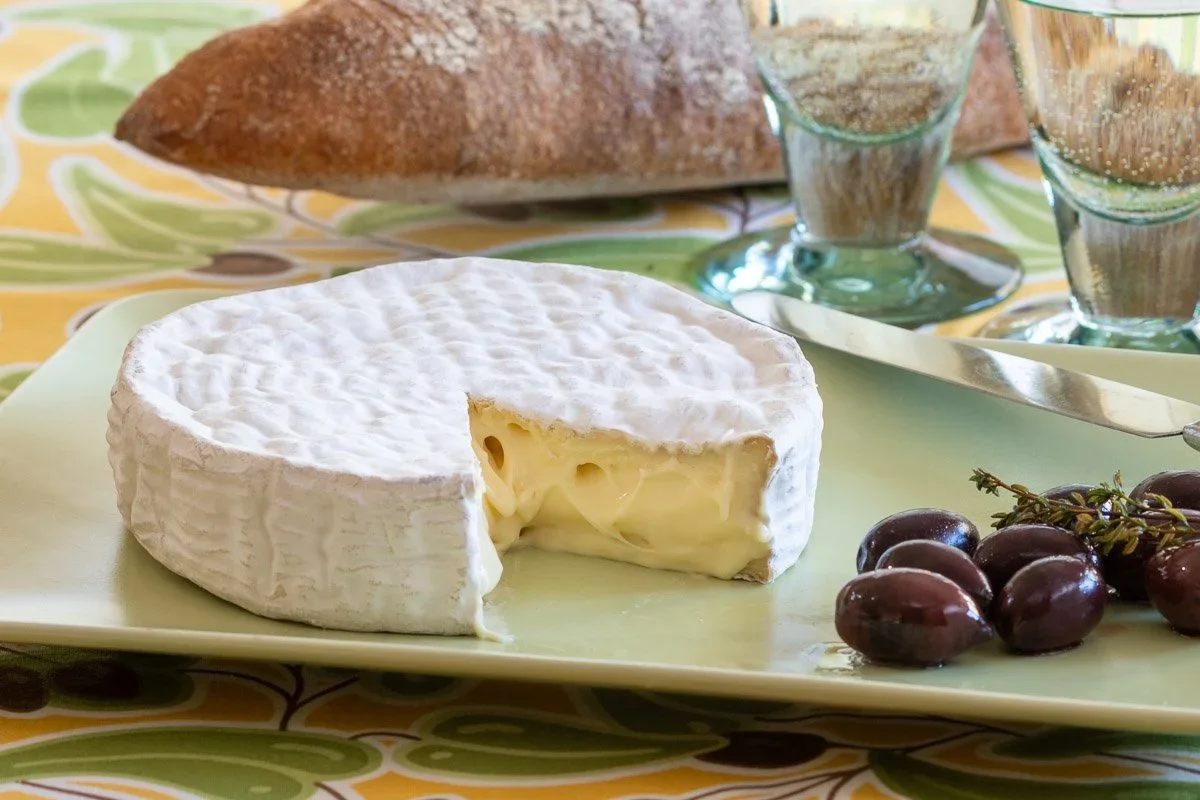
Walden from Sequatchie Cove Creamery is a big hit for this Tennessee creamery but so labor intensive that they’ve had to cap production. Made with cow’s milk and modeled on Camembert, it smells subtly but seductively of butter-cooked mushrooms and yeast. And just look at that texture.
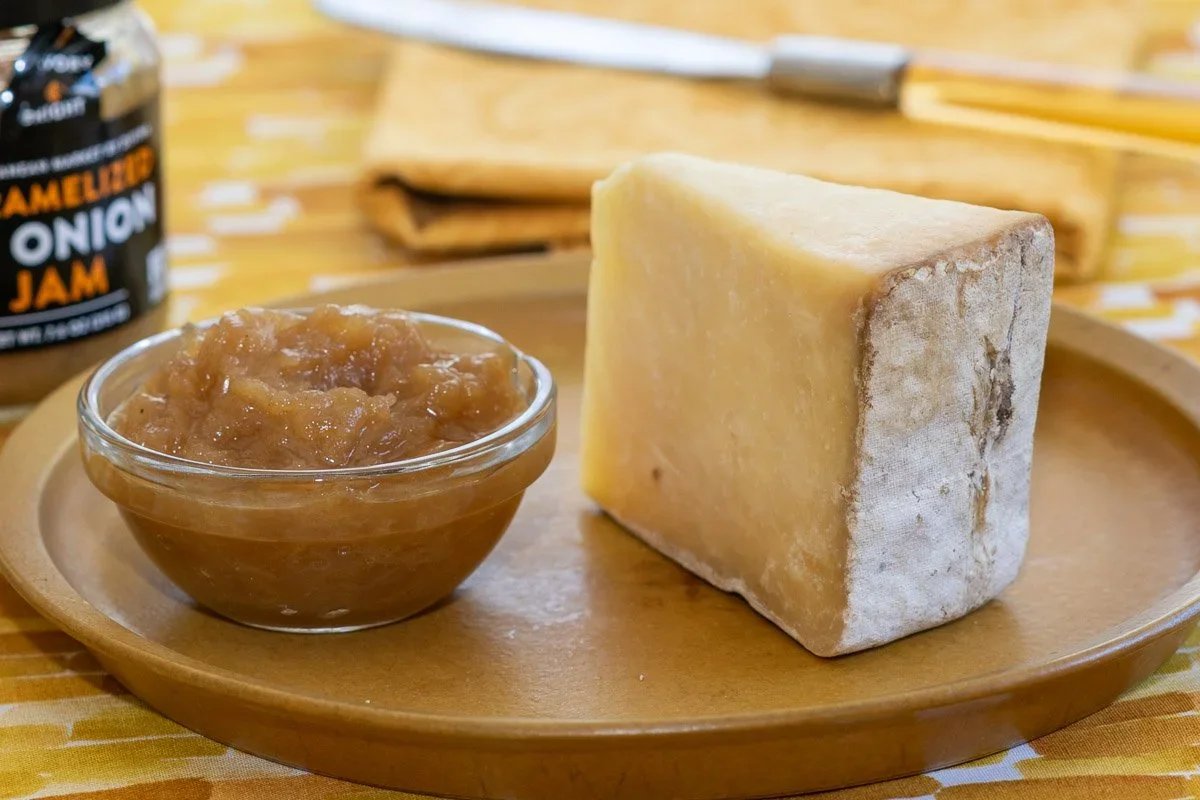
Yoredale Wensleydale is a rare clothbound and raw-milk rendition of a traditional British cheese that had almost disappeared. The method is similar to the recipe for Cheddar but the result is moister, with an aroma like cultured butter melting in a skillet. The flavor is buttery as well, with the lemon yogurt notes that the creamery’s website describes. Use a Parmigiano Reggiano knife to make nuggets; the cheese is too crumbly to slice. The young couple making Yoredale have had such a strong response that they’re already building a bigger creamery.
