
I hear you when it comes to pungent, peppery blues. I don’t like them either. I prefer moist, mellow, buttery blues that play well with wine, which describes this flawless beauty. I used to use the term “starter blue” or “entry level” for blue cheeses as easy to like as this one, but I’m abandoning that terminology. It’s condescending, and it suggests that more sophisticated tasters would disdain this cheese or somehow outgrow it, like white Zinfandel. Maybe I’ll move on, too, but I’m smitten enough to think it’s for life.
Blu del Monviso, a cow’s milk blue from Piemonte, comes to us from La Bottera, a family-run farmstead operation that I hope to see firsthand someday. Seven siblings run this enterprise, which encompasses cows, goats, sheep, pigs, salumi production, a small inn and a restaurant. That’s more than enough to get me to Italy.
This blue is unusual in several respects. For one thing it’s a log, not a wheel. It looks like Bûcherondin, at least from the outside. Like Brie it has a bloomy rind, rare on blue cheese. I sought input from Google on this, and the only other example it dredged up was Cambozola. Readers, can you add to that?
Blu del Monviso (also known as Blu Bottera) is exceedingly approachable in flavor, with a faintly nutty, toasty aroma and a moist, plush texture that may make you wonder if it’s a triple-cream cheese. It is not.

Mario Solari, third-generation proprietor of La Bottera
The production area for Gorgonzola is not far away but these two cheeses are a study in contrasts. Gorgonzola is strong and spicy, sometimes aggressive. Monviso is a people pleaser. How can two cow’s milk blue cheeses be so different?
Virtually every blue cheese is cultured with Penicillium roqueforti but there are myriad strains, and they yield different outcomes. Producers can choose a strain that produces more pungent flavor or a creamier texture. Some producers add secondary cultures that make the blue more buttery. To make a blue with a bloomy rind, like Blu del Monviso, a cheesemaker would likely choose a less vigorous P. roqueforti strain so it doesn’t out compete the white mold on the surface.
Blues are typically pierced to create air channels that encourage the blue mold. The more piercing, the more veining—another way to control flavor. And age makes a difference. A six-month-old blue is likely to be punchier than a three-month-old. The four-pound Blu del Monviso is released at two months, while it still has the sweetness of youth.
Serve Blu del Monviso with pears, dried apricots, poached fruit or honeycomb and pour a dessert wine or an off-dry bubbly. I’d be in heaven with a slice of Blu del Monviso, a chunk of walnut bread, and a glass of tawny Port.
Californians can find Blu del Monviso at Cal Mart (Calistoga), Farmstead Cheeses & Wines (Alameda and Oakland), Market Hall Foods (Oakland), Sunshine Foods (St. Helena) and Paradise Pantry (Ventura). You can also order this cheese online from Farmstead Cheeses & Wines.
In Memoriam
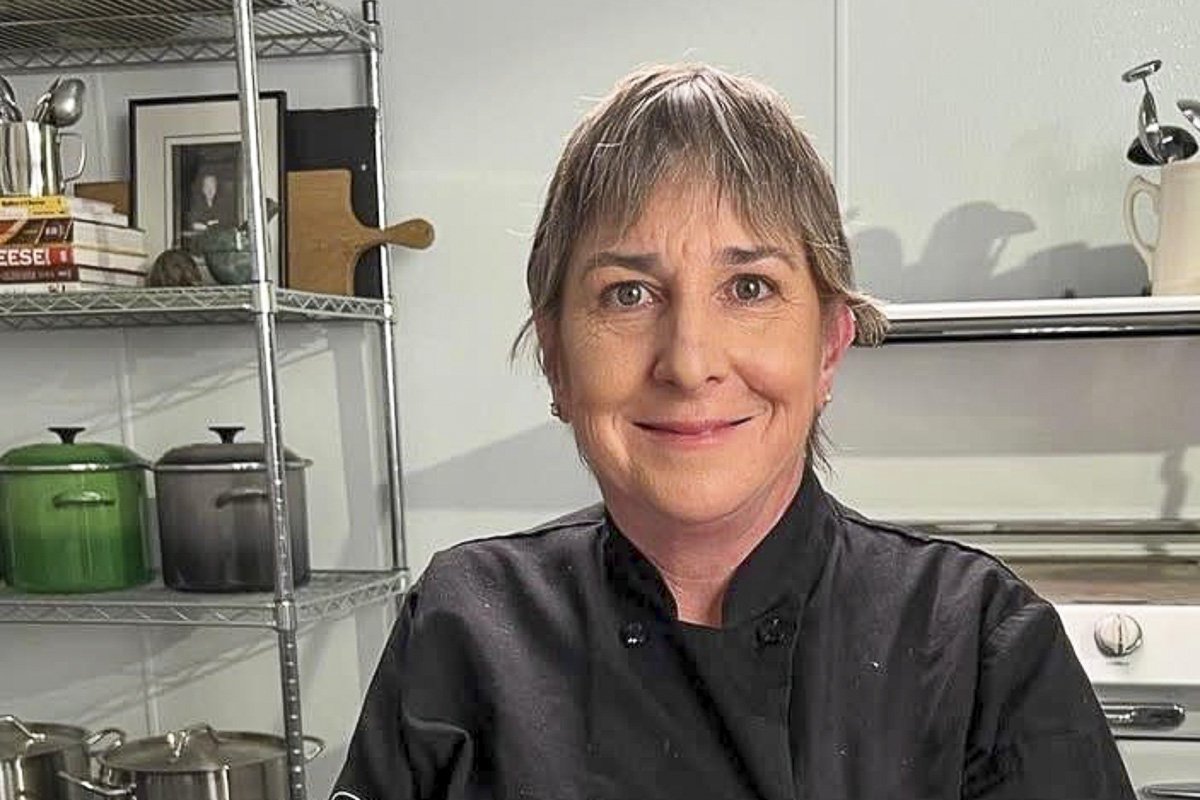
The American specialty cheese world is mourning one of its earliest and most energetic advocates with the passing last week of Sheana Davis, at 57, after a long battle with cancer. Sheana was a force of nature, a fearless entrepreneur, activist, philanthropist, chef and teacher who never said no to any cause related to her beloved home of Sonoma County. She dreamed up and, for several years, ran the Sonoma Artisan Cheese Festival, one of the first events of its kind. She was open-hearted and a tireless giver. You can read more about Sheana Davis and her many contributions here.
