
I love introducing readers to new cheeses as much as I hate reporting on those we have lost. But lose them we do. “They come and they go” hardly describes the current moment, when the pace of closures—both creameries and cheese shops—seems to be accelerating and newcomers are rare. We are six years out, more or less, from Covid’s peak yet the aftershocks persist. Even producers that I thought were stable and had the business figured out are folding. Another award-winning American creamery bit the dust late last month, leaving its many fans, including me, bereft. Does a profitable model even exist for small-scale artisan cheesemaking in this country?
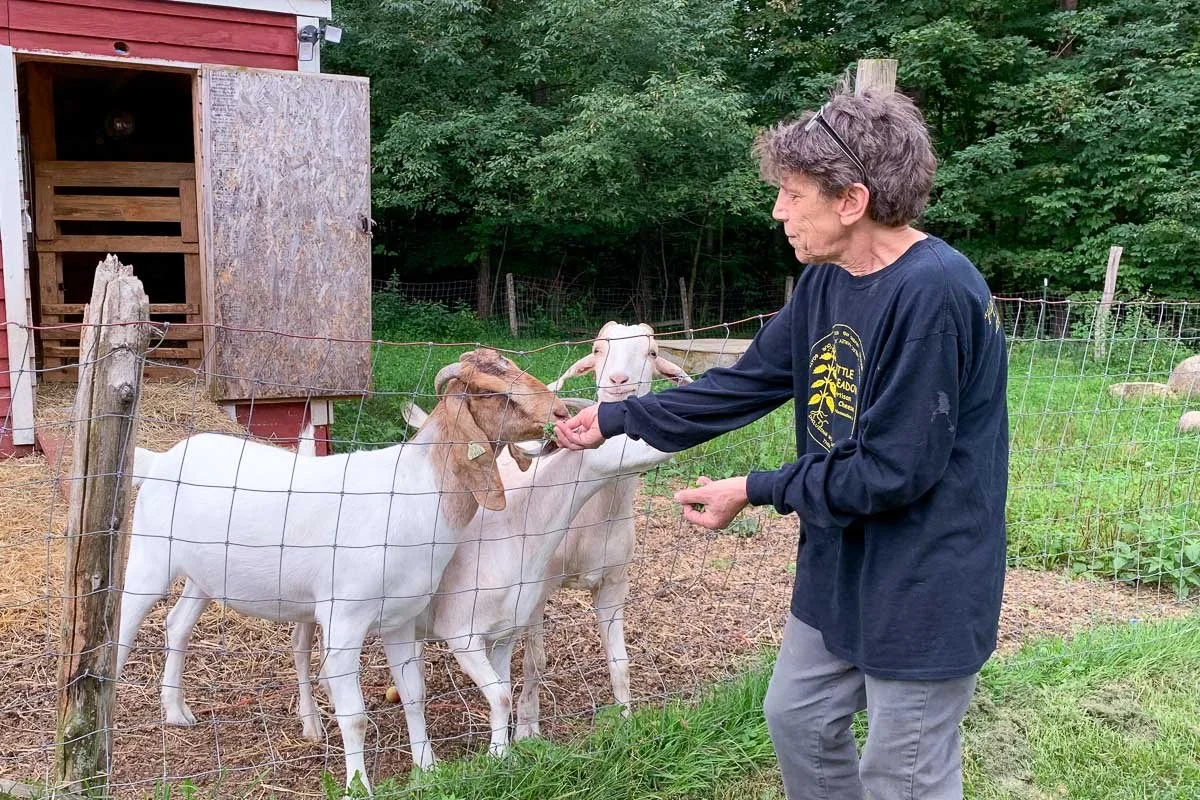
Sheila Flanagan and Lorraine Lambiase (above) announced late last month that they were ceasing cheese production at Nettle Meadow Farm, a creamery and animal sanctuary that they have operated in New York’s Adirondack Mountains since 2005. Kunik, their award-winning triple-cream cheese, was their signature and top seller, but the couple had a larger lineup and, in recent years, a restaurant and retail shop.
“It’s been a struggle every day since Covid,” Flanagan told me by phone. “It was affecting my health, and it’s hard to keep good staff when they are feeling the financial strain. It felt like the braver thing was to call it quits.”
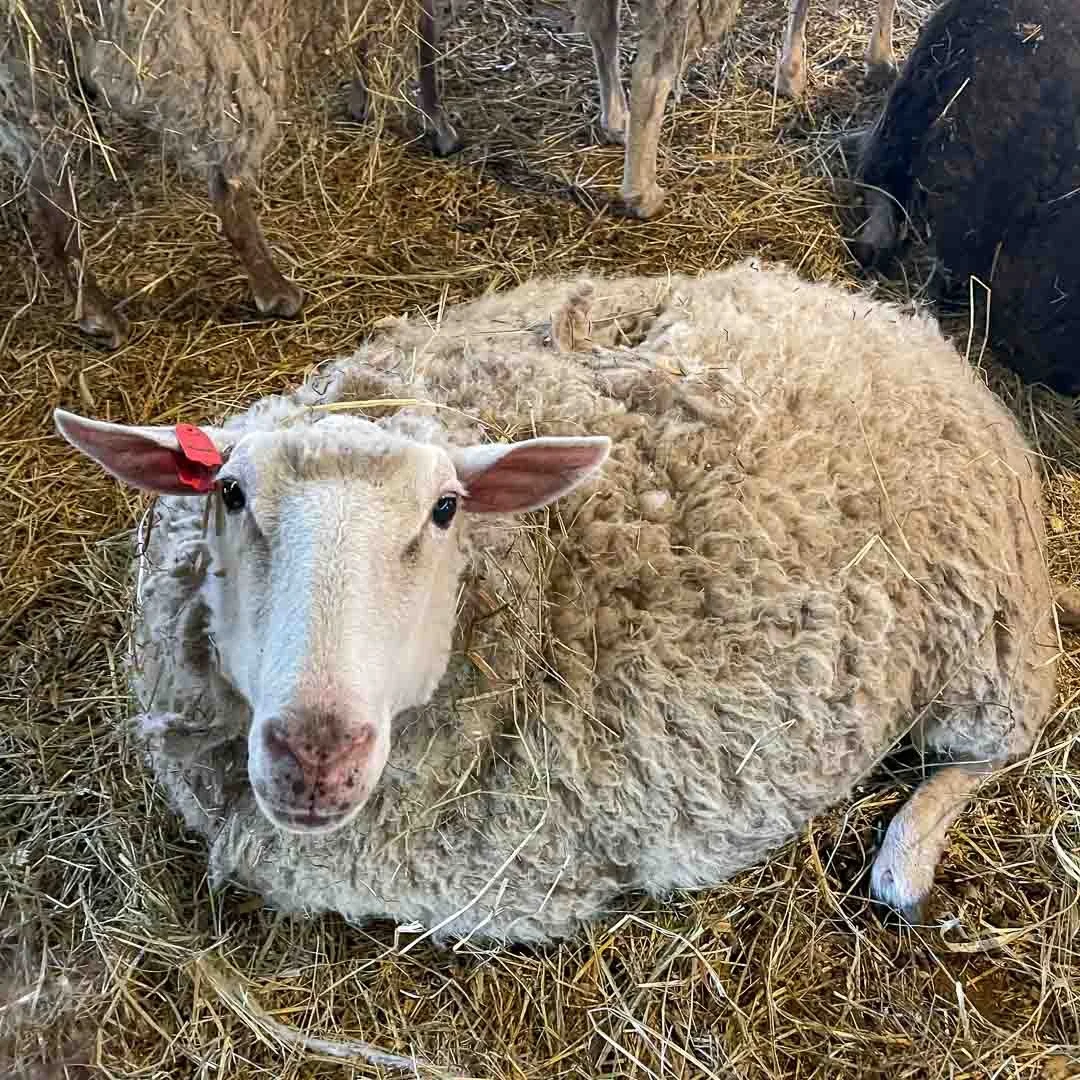
Home wanted: Muffin, a retired Nettle Meadow ewe
In the early 2000s, the couple had successful legal careers in the San Francisco Bay Area, four dwarf goats in their backyard and a home cheesemaking hobby. When they learned of a goat farm for sale in the Adirondacks, they leaped. From the beginning, they operated Nettle Meadow primarily as a home for distressed, retired or abandoned farm animals, with cheese sales paying the bills.
In the early days, they were milking a sizeable menagerie: eight Jersey cows, more than two hundred goats and several dozen sheep. But by 2019, they were leasing the dairy animals to other local farmers and buying back the milk, a model that made sense as the couple aged. To cover the steep feed and labor costs for the sanctuary animals, they decided to increase cheese production, which required a bigger creamery.
“We just had to expand to that sweet spot and then everything would be okay,” Flanagan told herself. “When we made the jump to a restaurant and a fancier retail location, I think that was the right model.” They would leave the animals in the original location but move production and the consumer-facing businesses to a more trafficked area.
The couple bought a historic log building on a tourist thoroughfare near Lake Luzerne for their new creamery, restaurant and retail counter—seemingly a smart move. But nobody saw Covid coming. The price of building materials skyrocketed, and the pace of their retrofit slowed. Projected as a six-month project, it took two years. Shorter winters forced the closure of a nearby snowmobile trail, another unforeseen hit.
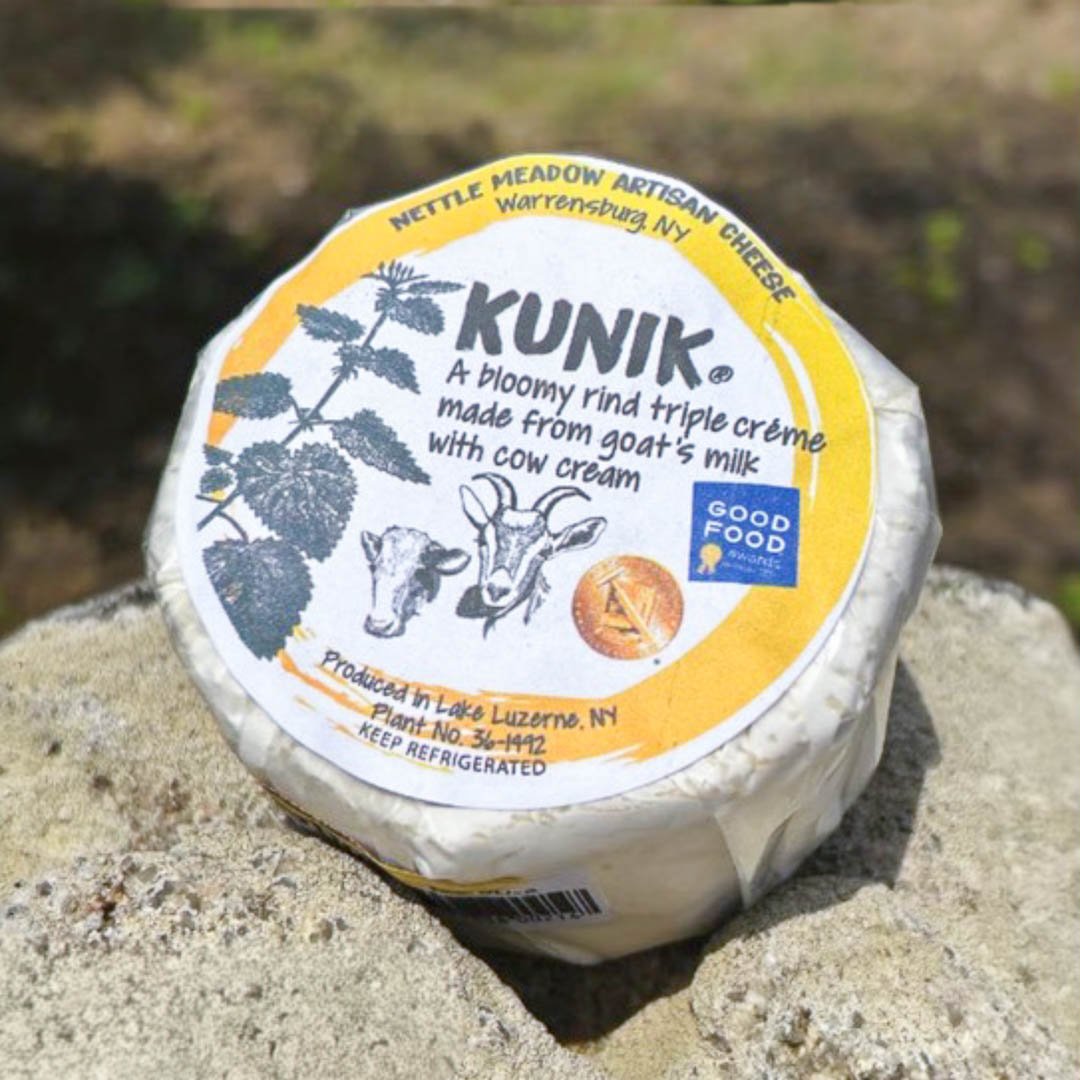
An investor stepped in with a cash infusion, but it wasn’t enough. Today, the couple are trying to sell the original farm and find loving homes for the 52 remaining sanctuary animals. They closed the restaurant two months ago. Flanagan says she is in talks with another creamery about transferring the recipe for their flagship cheese “so at least Kunik doesn’t have to die.”
She is still optimistic that small U.S. cheese producers with better business skills can make it. “I feel like the only thing I did wrong was take on too much debt,” Flanagan says. Clearly the animal sanctuary, while an admirable mission, was a drag on the bottom line. In addition to all the costs associated with a conventional creamery, Nettle Meadow had the feed costs and vet bills for (at peak) 200 needy but non-productive creatures.
“I still believe cheese is one of the greatest businesses that ever was,” says Flanagan. “The cheese community is one of the most passionate and driven of any industry I know. You just don’t want to be forced out before you’re ready.”
