
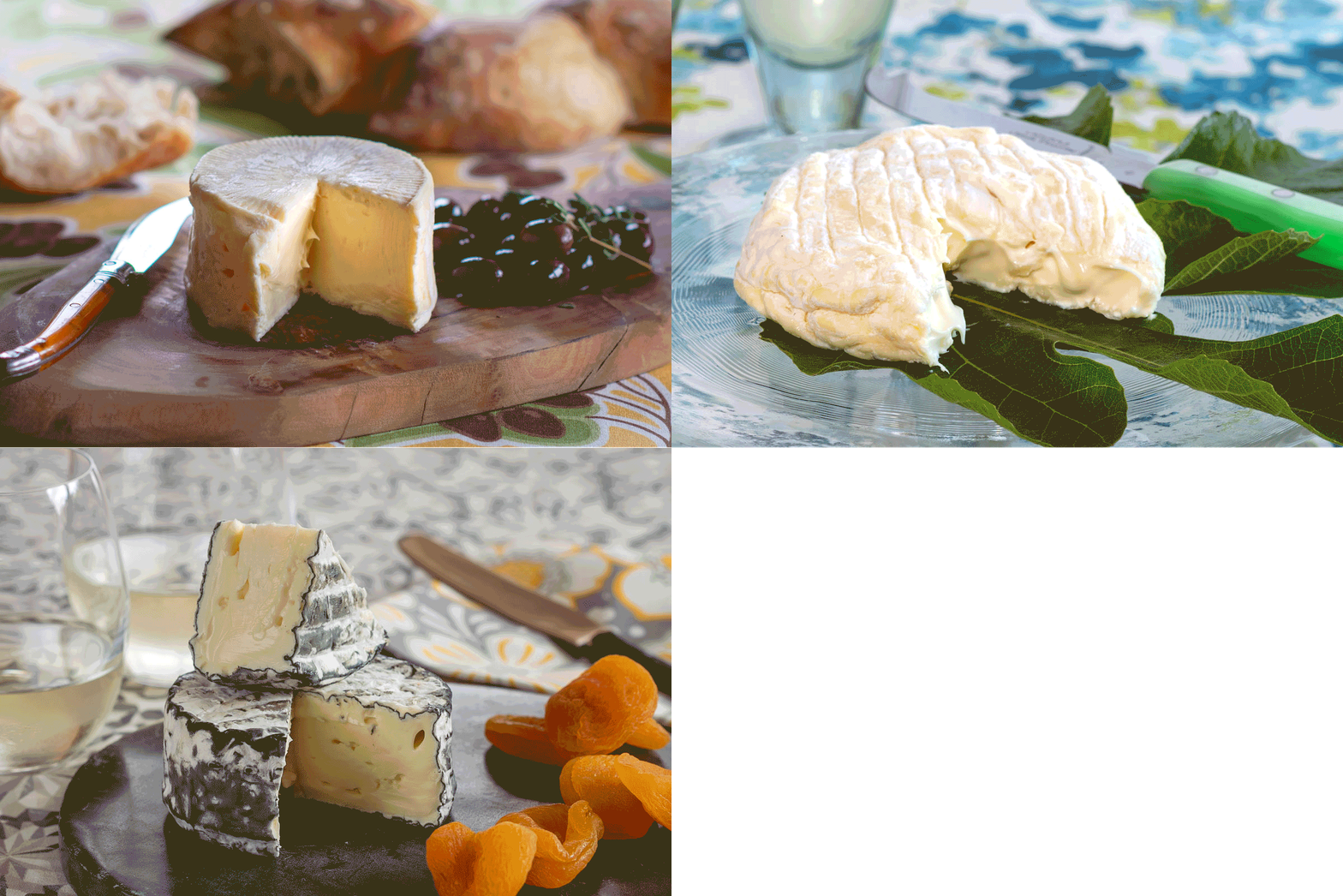
I don’t think Planet Cheese readers need the Federal Government to tell them that full-fat dairy is healthy. We know that. But I also think most of us don’t consume artisan cheese for the nutrients. We eat it for pleasure, and there’s little pleasure in low-fat cheese so why bother? Personally, I follow the example of the late Robert Mondavi, who lived—and lived well—into his 90s. “Moderation in all things,” proclaimed the vintner. “Even moderation.” That’s why we have double-cream and triple-cream cheeses. When you crave a little over-the-topness, these luscious creations meet the moment.
A cheese made from whole milk alone will never achieve double- or triple-cream status. You have to add cream or crème fraîche to produce these hyper-rich cheeses. In France, these terms have legal meaning. Double-creams have at least 60 percent FDM (fat in dry matter—the cheese minus its water); triple-creams have at least 75 percent. In other countries, cheesemakers mostly honor those definitions, but they don’t have to.
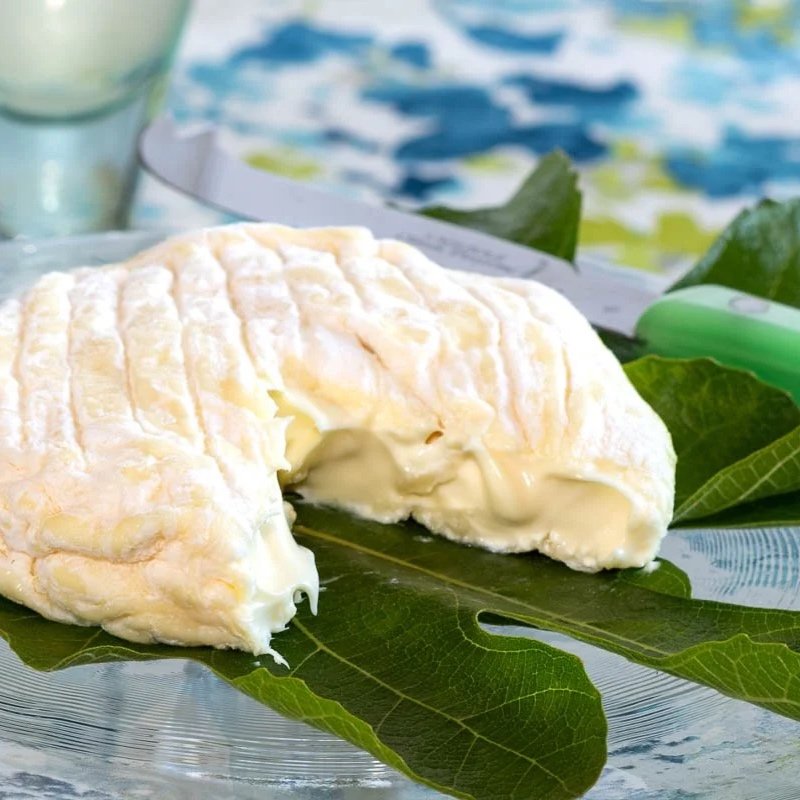
Tempting indeed: Tentation de St. Félicien
My favorite cream-enriched cheeses taste like more than salty whipped butter. They have inviting aromas and thin, tender rinds. These six top my list:
France’s Tentation de St. Félicien has a soft, delicate, wrinkly skin and an interior like pastry cream. The aroma hints at mushroom, and the flavor suggests sour cream or crème fraîche. When ripe, it can’t be beat.
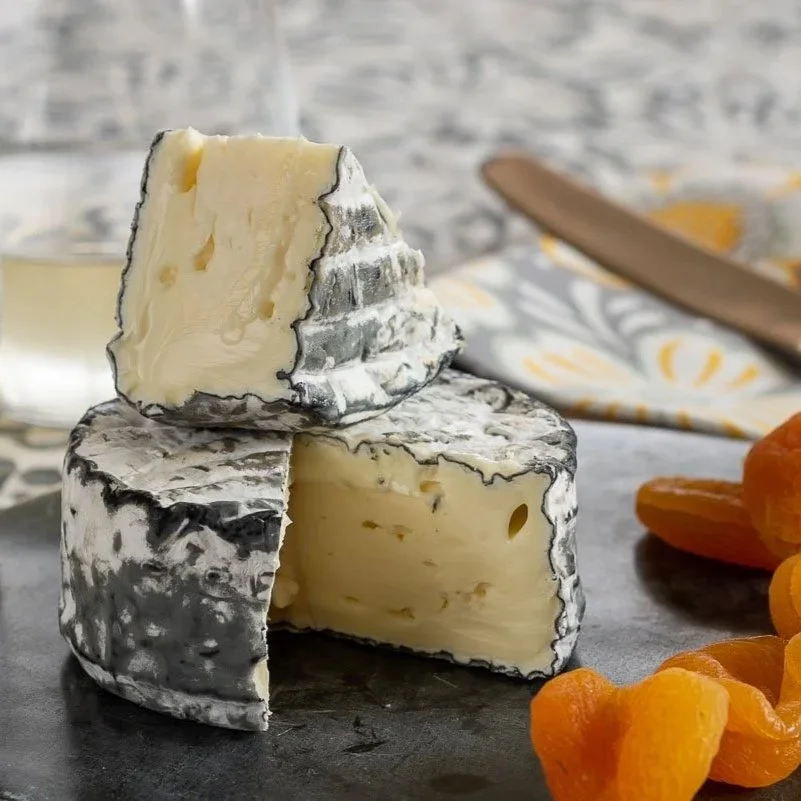
Double-cream dream: Sherry Gray
Sherry Gray is a winter-only cheese from Vermont’s Jasper Hill Farm, so snap it up now. A double-cream cheese just shy of triple-cream status, Sherry Gray is a headturner, with an ashed rind that resembles the bark of a birch tree and a semisoft, open interior that smells like button mushrooms.
Crémeux des Cîteaux is produced in Burgundy by a creamery that specializes in Brillat-Savarin. Unlike that popular triple-cream, Crémeux gets additional aging in the caves of Rodolph Le Meunier, one of France’s most acclaimed affineurs. Le Meunier believes that the regimen at his facility in Tours helps deepen the taste of this cheese and develop a creamier texture. If you’re feeling flush, look for his Crémeux des Cîteaux aux Truffes, a triple-cream knockout.
Nancy’s Hudson Valley Camembert from New York’s Old Chatham Creamery was among the first American triple-creams and it’s still among the best. From a blend of uber-rich sheep’s and cow’s milk, plus cream, it’s exceptionally smooth and buttery. At about 2 pounds, it’s larger than most triple-creams so you get a higher proportion of that voluptuous interior in relation to the rind. Serve with toasted walnut bread.
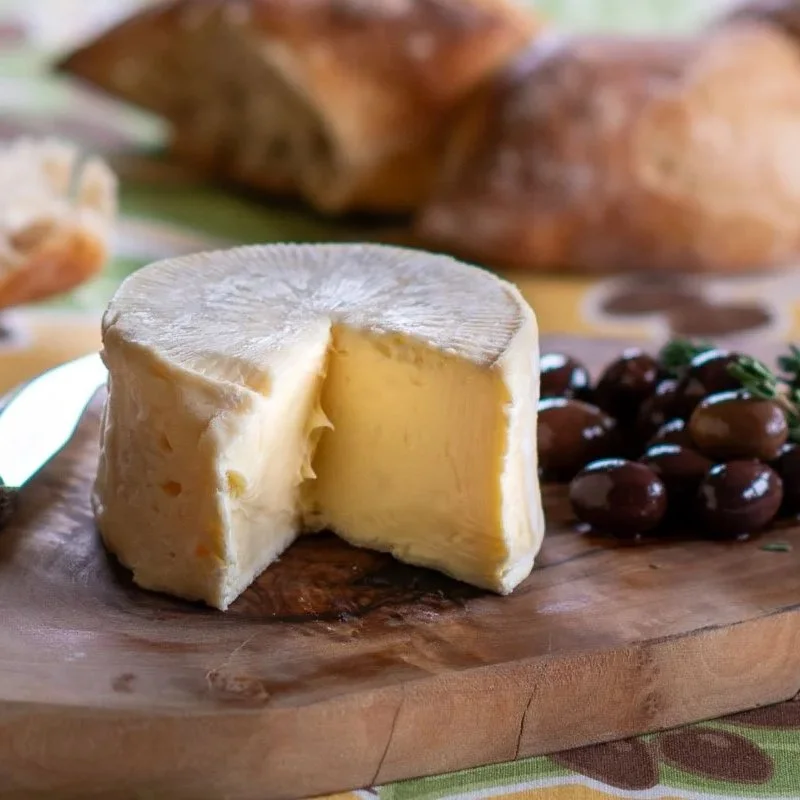
Swiss hit: Moser Screamer
Swiss cheeses are large and firm, right? Not Moser Screamer, a cheese so novel for Switzerland that it won an innovation award when it debuted a decade ago. This little guy has the fragrance I look for in triple-creams—a merging of fresh mushroom and sour cream—and an interior like buttercream frosting. It’s pricey but consistently top quality.
I’ll wrap up with Vermont Creamery’s Cremont, a mixed-milk disk that I haven’t tasted in a long while. It’s a double cream—roughly 60 percent cow’s milk, 30 percent goat’s milk and 10 percent cream—with a tender Geotrichum rind. My notes describe a “voluptuous and silky” cheese with a mushroom scent and tangy sour-cream finish. The goat’s milk distinguishes it and makes it a welcome addition to the cream-enriched kingdom.
